
Sudden Hind Limb Weakness in Dogs: Spine vs. Nerve vs. Injury
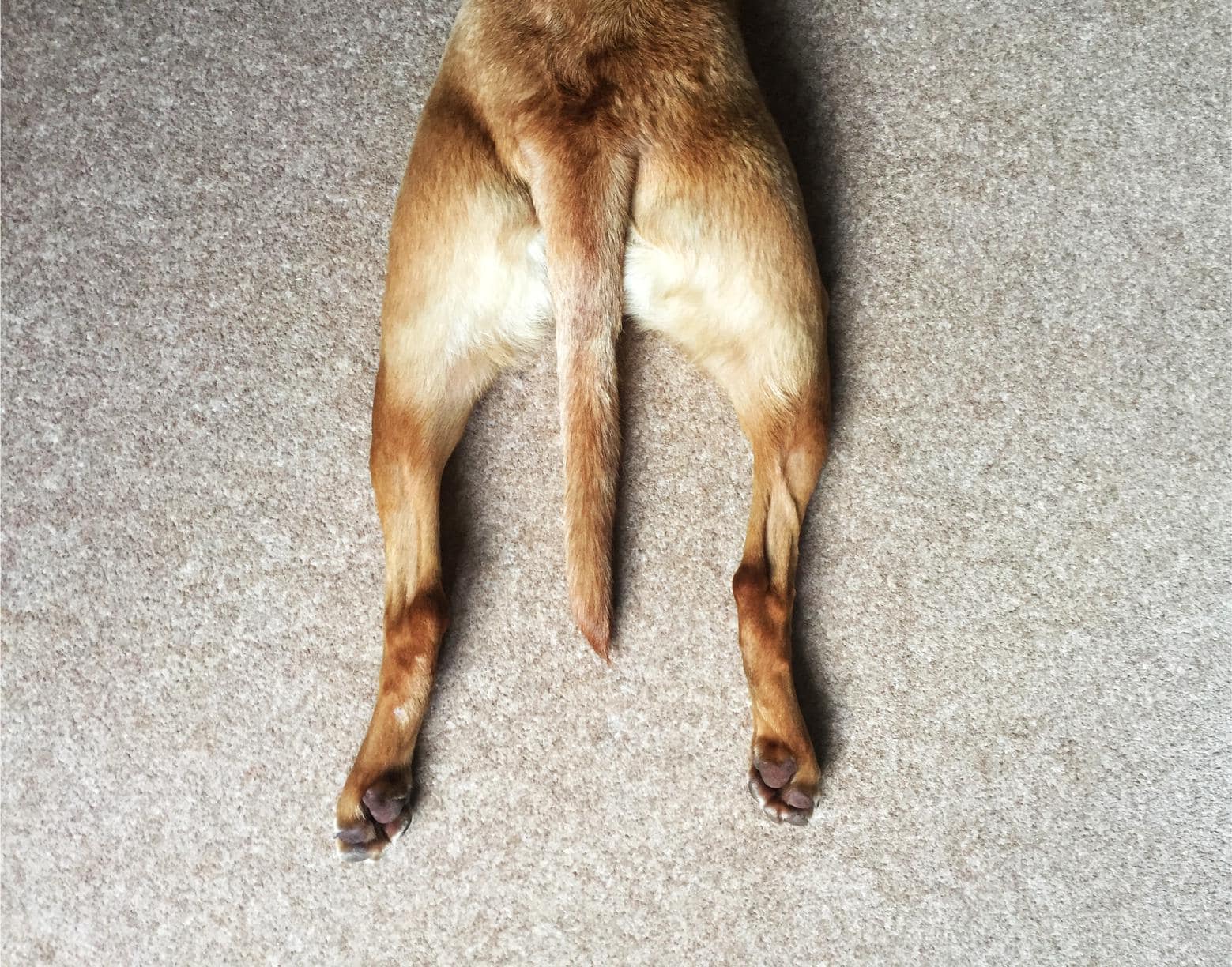
Sudden hind leg weakness in dogs is never something to “wait and see” about. While some causes are mild, others can become permanent very quickly without treatment. The good news is that recognizing the signs early can make a huge difference in your dog’s recovery.
So how can you tell whether the issue is related to the spine, nerves, or an injury? Here are some of the most common causes of mobility loss in dogs and the signs you should watch for.
How to Know if It’s Spine Related
When spinal problems occur, that means communication between the brain and the back legs is being interrupted. These conditions often affect both hind legs and come on suddenly.
Common symptoms of spinal issues include:
- Wobbling or stumbling
- Crossing the back legs awkwardly
- Dragging the toes
- Knuckling the paws under
- Trouble standing up
- Crying out in pain
- Sudden paralysis
One of the biggest causes of sudden hind limb weakness in dogs is IVDD (Intervertebral Disc Disease). This happens when a disc in the spine bulges or ruptures and presses on the spinal cord.
Early signs of IVDD include:
- Reluctance to jump
- Shivering or tense muscles
- Hunched posture
- Sudden yelping
- Weakness in the back legs
Certain breeds are more likely to develop IVDD, like Dachshunds, French Bulldogs, Beagles, and Corgis. In severe cases, dogs can lose the ability to walk within hours.
Another possible spinal condition to be aware of is an FCE (Fibrocartilaginous Embolism), often referred to as a spinal stroke. This occurs when blood flow to part of the spinal cord becomes blocked. It appears suddenly, often during play or activity. Unlike IVDD, it is usually not extremely painful.
Nerves Matter Too & Can Often be the Culprit
Sometimes the problem is not the spinal cord itself but the nerves branching out from it. Think of the nerves like electrical wiring running to your pet’s legs.
Nerve damage in a dog’s legs can cause weakness, instability, or unusual paw placement. A sign veterinarians look for is knuckling, which is where the paw folds under and the dog walks on the top of the foot instead of the paw pads.
Signs of nerve involvement include:
- Paw knuckling
- Uneven walking
- Muscle loss in one leg
- Weak tail movement
- Difficulty getting comfortable
- Lower back sensitivity
LS (Lumbosacral Disease) is a condition that affects the nerves in the lower back near the tail base. Dogs with LS may experience pain when rising, hesitate before jumping, or struggle with climbing stairs.
Because nerves control movement and sensation, these cases can sometimes worsen gradually before becoming more obvious.
Is It an Injury? Sometimes the Problem Is Mechanical
Not every case of sudden hind leg weakness in dogs starts in the spine or nerves. Sometimes the issue is more physical and localized to one leg.
Injuries often happen after:
- Slipping on tile floors
- Rough play
- Jumping awkwardly
- Falling from furniture
- Sudden twisting movements
A torn cruciate ligament, similar to an ACL injury in humans, is one of the most common orthopedic injuries in dogs. Dogs may suddenly hold their legs up completely or barely touch their toes to the ground.
Other injury-related causes of mobility loss include:
- Luxating patella
- Muscle strains
- Hip injuries
- Fractures
- Arthritis flare-ups
Unlike spinal conditions, these injuries often affect just one leg rather than both hind limbs together.
Don’t Ignore These Emergency Warning Signs
Some symptoms are warnings and should never be brushed off.
Seek emergency veterinary care right away if your dog has:
- Complete inability to stand or walk
- Sudden paralysis
- Loss of bladder or bowel control
- Severe pain or crying out
- Rapid worsening of symptoms
- Dragging both back legs
- Extreme stiffness or trembling
With many spinal conditions, timing matters. Early diagnosis and treatment can sometimes prevent permanent nerve damage or loss of mobility.
When Wobbly Legs Need Fast Answers
Watching your dog suddenly struggle to walk can feel overwhelming. Whether the cause is spinal, neurological, or injury-related, quick veterinary attention gives your dog the best chance at recovery.
If your pet is showing signs of sudden hind limb weakness, nerve damage, or possible spinal problems, do not wait for things to work themselves out. Our team at Crossover Veterinary Clinic is here to help identify the cause, ease your dog’s discomfort, and create a treatment plan that gets them back on their paws as safely as possible. Call (479) 750-7474 today.