Why Some Dogs Suddenly Become Picky Eaters
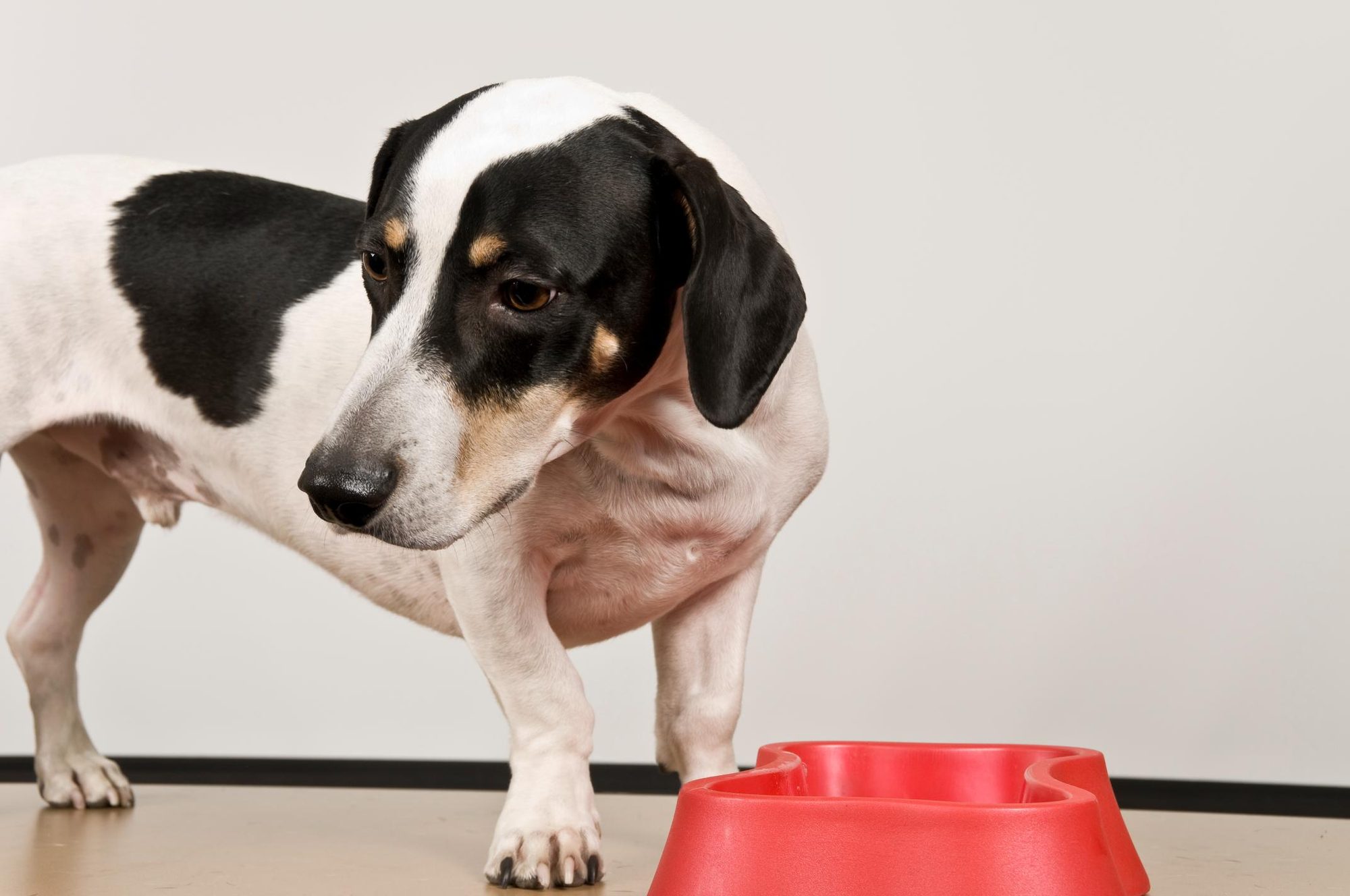
One day your dog inhales breakfast before you can blink. The next, they’re sniffing the bowl, walking away, and acting as though you’ve served something completely unacceptable. Sound familiar?
At Crossover Veterinary Clinic in Fayetteville, we often hear from pet owners wondering why a formerly enthusiastic eater has suddenly become so selective. While some dogs simply develop new preferences, changes in eating habits can also signal an underlying health issue that deserves attention.
Not Every Picky Eater Dog Is Just Being Picky
It’s easy to assume your dog is holding out for something tastier, especially if they’ll happily accept treats while ignoring their regular food. However, changes in dog appetite aren’t always about taste.
A sudden shift in eating habits can happen for many reasons, including temporary stress, aging, illness, or discomfort. Paying attention to when the behavior started and whether other symptoms are present can help your veterinarian determine what’s going on.
If your dog has skipped more than a meal or two, or their appetite changes suddenly without an obvious reason, it’s time to schedule an exam.
Medical Conditions That Can Affect Your Dog’s Appetite
A dog who doesn’t want to eat may be trying to tell you something. Many medical problems can make eating uncomfortable or reduce a dog’s appetite altogether.
Some common causes include:
- Dental pain in dogs caused by periodontal disease, broken teeth, or infected gums
- Nausea in dogs related to stomach upset, medication side effects, pancreatitis, or other illnesses
- Digestive disorders
- Chronic kidney or liver disease
- Arthritis or other painful conditions that make it uncomfortable to stand and eat
- Hormonal disorders or infections
Many of these conditions become easier to manage when they’re diagnosed early. That’s why it’s important not to dismiss a sudden loss of appetite as a simple change in preferences.
Fortunately, a thorough physical exam, dental evaluation, and diagnostic testing can often identify the cause so treatment can begin.
Could It Be Something Less Serious?
Not every picky eater has a medical problem. Dogs can also become selective for everyday reasons.
For example, your dog may lose interest in food because of:
- A recent change in diet
- Too many table scraps or treats
- Stress from travel, visitors, or changes at home
- Hot weather, which can temporarily reduce appetite
- A less active lifestyle that lowers calorie needs
Even so, it’s important to be cautious before assuming it’s only a behavioral issue. Dogs are very good at hiding discomfort, and what looks like stubbornness may actually be pain or illness.
What You Can Do at Home
If your dog seems bright, energetic, and otherwise normal, there are a few simple things you can try before making any major changes to their diet.
You might consider:
- Offering meals on a consistent schedule instead of free-feeding
- Limiting treats between meals
- Warming canned or moist food slightly to enhance its aroma
- Making changes to food gradually rather than switching diets abruptly
- Monitoring for vomiting, diarrhea, weight loss, lethargy, or other concerning symptoms
Keep an eye on how long the change in appetite lasts. If your dog’s eating habits don’t improve quickly or new symptoms develop, it’s time for a veterinary visit.
Our team can help determine whether your dog’s selective eating is a harmless phase or something that requires medical attention.
When to Call Your Fayetteville Veterinarian
Contact your veterinarian promptly if your dog refuses food for more than 24 hours, especially if they’re a puppy, senior, or have an existing medical condition. You should also seek care if poor appetite is accompanied by vomiting, diarrhea, abdominal pain, weakness, difficulty chewing, bad breath, excessive drooling, or noticeable weight loss. Early evaluation can make a significant difference in your dog’s comfort and long-term health.
Get in Touch
If your dog has suddenly become a picky eater, don’t spend too much time guessing what’s behind it. The team at Crossover Veterinary Clinic is here to help identify the cause and recommend the right treatment plan. Call (479) 750-7474 today to book an appointment and help your dog enjoy mealtime again.