
Tick Paralysis in Pets: Rare but Serious Spring Cases
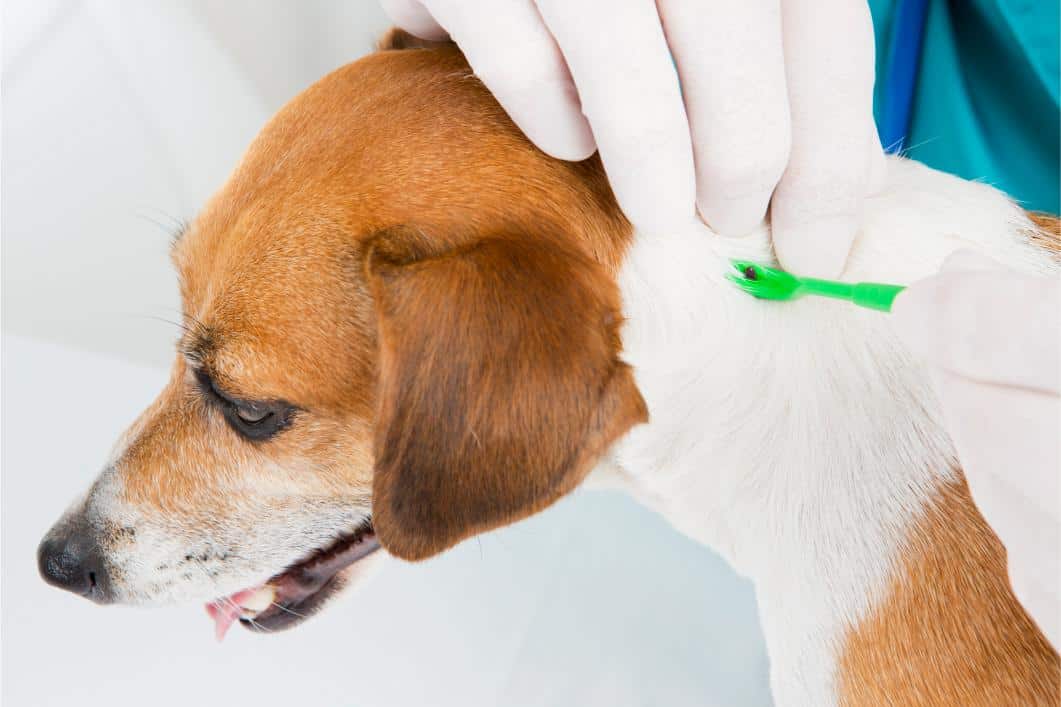
Spring in Northwest Arkansas brings blooming trails, warmer weather, and, unfortunately, a rise in ticks. While many pet owners are aware of common tick-borne diseases, fewer have heard of tick paralysis. At Crossover Veterinary Clinic in Fayetteville, AR, we occasionally see cases of tick paralysis in dogs during peak tick season. Although rare, this condition can become serious quickly without prompt treatment.
Understanding what to watch for and acting quickly can make a significant difference in your pet’s outcome.
What Is Tick Paralysis?
Tick paralysis in dogs is caused not by bacteria or infection, but by a neurotoxin released in a tick’s saliva while it feeds. This form of tick-borne paralysis develops when the attached tick secretes a toxin that interferes with normal nerve function.
Unlike Lyme disease and other tick borne illnesses, tick paralysis results directly from the toxin itself. The longer the tick remains attached and feeding, the more toxin enters the bloodstream. Fortunately, once the tick is removed and supportive care is provided, most pets recover fully.
Recognizing Tick Toxin Symptoms
One of the most concerning aspects of tick paralysis is how quickly it can progress. Symptoms often begin subtly and may be mistaken for fatigue or mild discomfort.
Common tick toxin symptoms include:
- Sudden weakness in your dog, especially in the hind legs
- Unsteady or wobbly walking
- Difficulty standing or climbing stairs
- Reduced reflexes
- Labored breathing in advanced cases
Symptoms typically start in the rear limbs and progress forward. In severe situations, paralysis can affect the chest muscles, and make breathing difficult. That is why early detection and veterinary care are so important.
If you notice sudden weakness in your dog, particularly during heavy tick season, it is best to seek veterinary attention right away. Even if the cause turns out to be something else, a prompt evaluation ensures your pet receives appropriate care.
How Pets Get Tick Paralysis
Tick paralysis can affect both dogs and cats, although dogs are diagnosed more frequently. Pets who spend time outdoors in wooded areas, tall grass, or hiking trails are at higher risk. However, ticks can also be found in backyards and neighborhood parks.
Because Arkansas pet ticks are active for much of the year, prevention is key. Even one attached tick can cause problems if left undetected.
Thoroughly checking your pet after outdoor activities is one of the simplest protective steps you can take. Pay close attention to:
- Around the ears and under the collar
- Between the toes
- Under the tail
- Around the face and neck
- Inside skin folds
Ticks may be small and easy to miss, especially in thick fur. Routine grooming and regular veterinary exams help catch concerns early.
Diagnosis and Treatment
If tick paralysis is suspected, your veterinarian will perform a careful physical exam and search for attached ticks. Often, simply removing the tick begins the recovery process. Improvement may be seen within hours to a few days.
In more serious cases, hospitalization and supportive care, including oxygen therapy, may be necessary until nerve function returns. The good news is that when identified early, tick paralysis in dogs is typically reversible.
Prevention remains the most effective strategy. Year-round tick prevention products, regular wellness visits, and prompt attention to unusual symptoms all reduce risk.
Protecting Your Pet This Spring
Tick paralysis may be rare, but its rapid progression makes awareness critical. Monitoring for tick toxin symptoms and responding quickly to sudden weakness in your dog can prevent complications and speed recovery.
Spring is the perfect time to review your pet’s preventive care plan. Schedule a wellness and preventive care visit with us by calling (479) 750-7474. Our team is here to help you stay ahead of Arkansas pet ticks and protect your pet’s health all year long.