Seasonal Foods Pets Shouldn’t Share From the Holiday Table
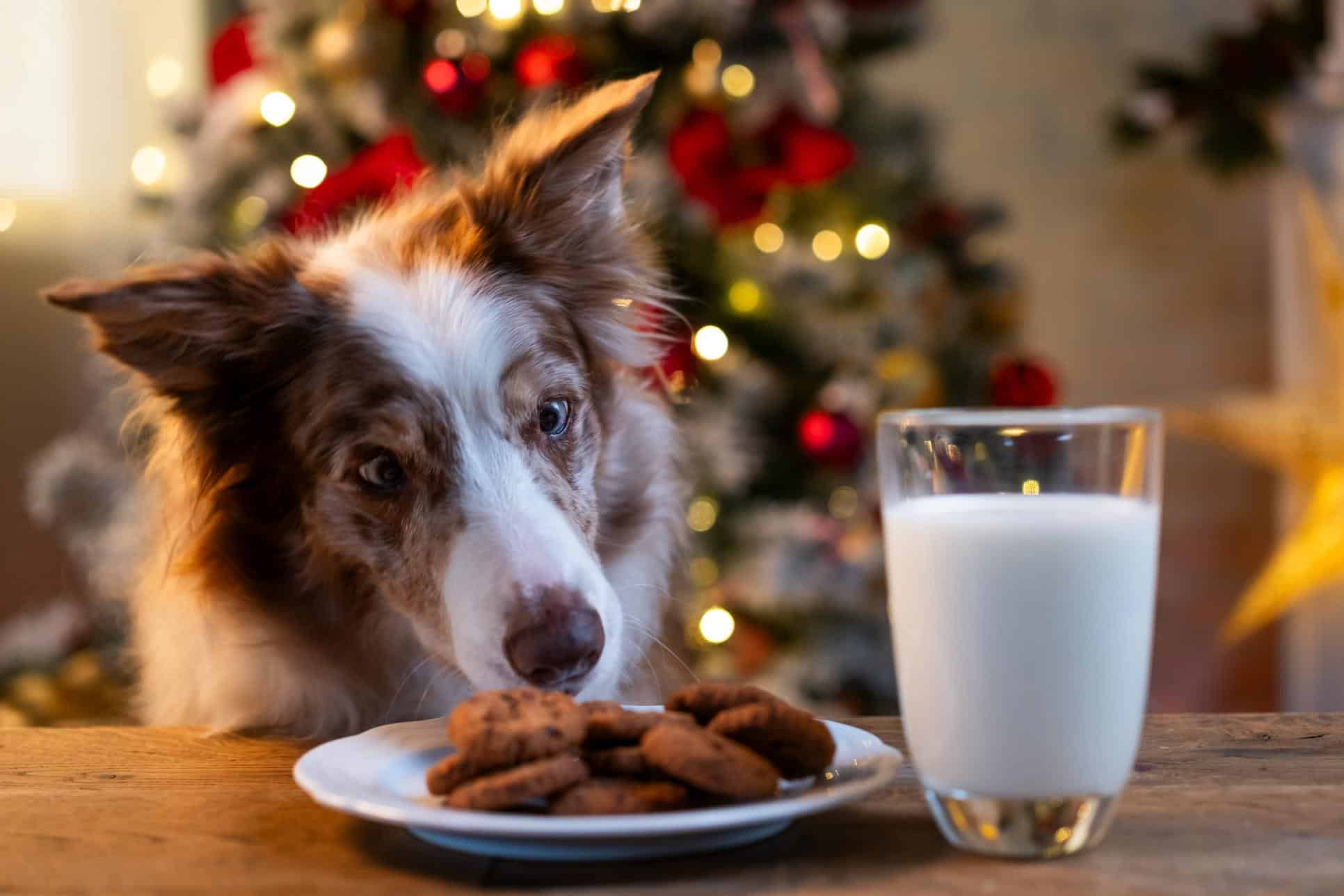
The holidays bring cozy gatherings and festive foods. But before you slip a scrap under the table, however, remember that many traditional dishes are risky for pets. At Crossover Veterinary Clinic, we take a whole-pet approach to care, so here’s a quick guide to help you celebrate safely while protecting your dog’s or cat’s health.
Why Holiday Foods Are Risky for Pets
Rich, salty, or sugary foods can upset the stomach and even trigger emergencies like pancreatitis. Many ingredients we love contain compounds that are toxic to animals. As your Fayetteville, AR, vet, we see a spike in food-related visits this time of year, which is why we’re sharing these holiday foods toxic to pets so you can plan ahead.
Christmas Food Dangers for Pets: What to Skip
Keep the cheer, but skip the hazards. Before you serve the feast, scan this quick do-not-share list for pets:
- Turkey skin and pan drippings: High fat can irritate the pancreas
- Cooked bones: Splintering risk and potential intestinal obstruction
- Stuffing and gravy: Often contain onions, garlic, or leeks that damage red blood cells
- Grapes and raisins: Can cause sudden kidney failure in dogs
- Chocolate and cocoa: Theobromine and caffeine overstimulate the heart and nervous system
- Xylitol sweeteners: Found in some sugar-free desserts and sauces—can cause dangerous drops in blood sugar
- Unbaked yeast dough: Expands in the stomach and creates alcohol as it rises
- Macadamia nuts: Associated with weakness and tremors in dogs
- Nutmeg-heavy desserts: Large amounts may cause neurologic signs
- Alcohol: Toxic and extra risky for small pets
The safest plan is simple: stick to your pet’s regular diet and a few vet-approved treats. That way, they can join the festivities without risking an after-dinner emergency.
Safer Seasonal Treats Your Pet Can Enjoy
If you want your pet to join the festivities, these simple alternatives fit the spirit without the risks. Offer tiny portions and introduce only one new item at a time:
- Plain, cooked turkey breast with no skin or seasoning
- Steamed green beans or plain pumpkin
- Veterinary-approved pet treats
These swaps let your pet feel included while keeping Arkansas pet health top of mind.
What About Exotics and Pocket Pets?
Small mammals, birds, and reptiles have particular dietary needs. Many seasonings, high-fat foods, or sugary sides can cause serious digestive problems. When in doubt, stick to species-appropriate diets, and ask before offering anything new.
If Your Pet Sneaks a Forbidden Bite
Act quickly, and gather details about what your pet ate and when. Call us or an emergency vet clinic for guidance, especially if you notice vomiting, diarrhea, lethargy, tremors, or a bloated, painful abdomen. Don’t try home remedies unless directed by a veterinarian.
Planning pet-safe options and setting house rules are the easiest ways to avoid Christmas food dangers for pets and keep celebrations merry for everyone.
Celebrate Safely
Sharing the season is wonderful, but sharing your plate is not. With a bit of preparation, you can protect your pet from common kitchen hazards and still enjoy all the flavors of the holidays. If you’re hosting, communicate your pet policy to guests, and keep trash secured so curious noses can’t get into leftovers.
Keeping Your Pets Healthy Through the Holidays and All Year
If you have questions, our team is happy to help. If you’d like to schedule a wellness visit for your canine or feline friend or need advice after a food mishap, call us at (479) 750-7474. We’ll help you navigate holiday menus safely so your best friend stays healthy all season long.